Despite expectations that lithium demand will rise from approximately 500,000 metric tons of lithium carbonate equivalent (LCE) in 2021 to some three million to four million metric tons in 2030, we believe that the lithium industry will be able to provide enough product to supply the burgeoning lithium-ion battery industry. Alongside increasing the conventional lithium supply, which is expected to expand by over 300 percent between 2021 and 2030, direct lithium extraction (DLE) and direct lithium to product (DLP) can be the driving forces behind the industry’s ability to respond more swiftly to soaring demand. Although DLE and DLP technologies are still in their infancy and subject to volatility given the industry’s “hockey stick”1 demand growth and lead times, they offer significant promise of increasing supply, reducing the industry’s environmental, social, and governance (ESG) footprint, and lowering costs, with already announced capacity contributing to around 10 percent of the 2030 lithium supply, as well as to other less advanced projects in the pipeline.
However, satisfying the demand for lithium will not be a trivial problem. Despite COVID-19’s impact on the automotive sector, electric vehicle (EV) sales grew by around 50 percent in 2020 and doubled to approximately seven million units in 2021. At the same time, surging EV demand has seen lithium prices skyrocket by around 550 percent in a year: by the beginning of March 2022, the lithium carbonate price had passed $75,000 per metric ton and lithium hydroxide prices had exceeded $65,000 per metric ton (compared with a five-year average of around $14,500 per metric ton).
Lithium is needed to produce virtually all traction batteries currently used in EVs as well as consumer electronics. Lithium-ion (Li-ion) batteries are widely used in many other applications as well, from energy storage to air mobility. As battery content varies based on its active materials mix, and with new battery technologies entering the market, there are many uncertainties around how the battery market will affect future lithium demand. For example, a lithium metal anode, which boosts energy density in batteries, has nearly double the lithium requirements per kilowatt-hour compared with the current widely used mixes incorporating a graphite anode.
Direct lithium extraction and direct lithium to product offer significant promise of increasing lithium supply, reducing the industry’s environmental, social, and governance footprint, and lowering costs.
Lithium demand factors
Over the next decade, Lantern forecasts continued growth of Li-ion batteries at an annual compound rate of approximately 30 percent. By 2030, EVs, along with energy-storage systems, e-bikes, electrification of tools, and other battery-intensive applications, could account for 4,000 to 4,500 gigawatt-hours of Li-ion demand (Exhibit 1).
Unconventional brines (geothermal, oilfield brines)
Additional potential comes from unconventional deposits: geothermal and oilfield brines with grades of 100 to 200 ppm. The first option focuses on providing both clean geothermal energy and lithium supply. Although nothing has been proven on a commercial scale as yet, there are already financially confirmed projects in Europe and North America with some early-stage assets in the pipeline. We anticipate that, with technology development and proof of concepts, more geothermal lithium-brine operations will appear on the global map, with some OEM and automotive companies already supporting even less advanced assets. Examples include Renault Group, Stellantis, and General Motors signing strategic partnerships and off-take agreements with geothermal lithium projects in Europe and North America.
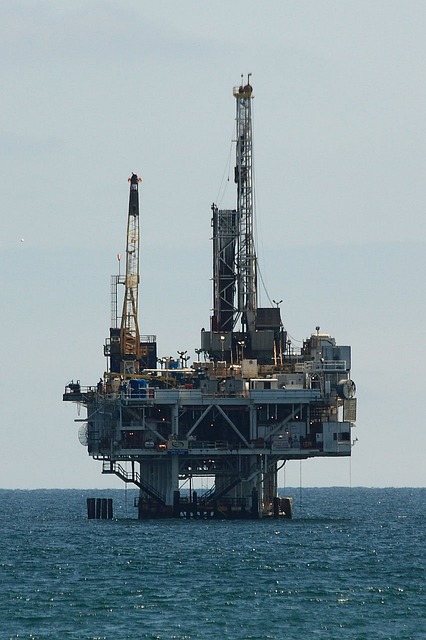
Additionally, projects in North America are focused on extracting lithium from oil-field wastewaters. Although usually low-grade, this can be an additional resource base if the right technology is forthcoming.
Direct lithium extraction
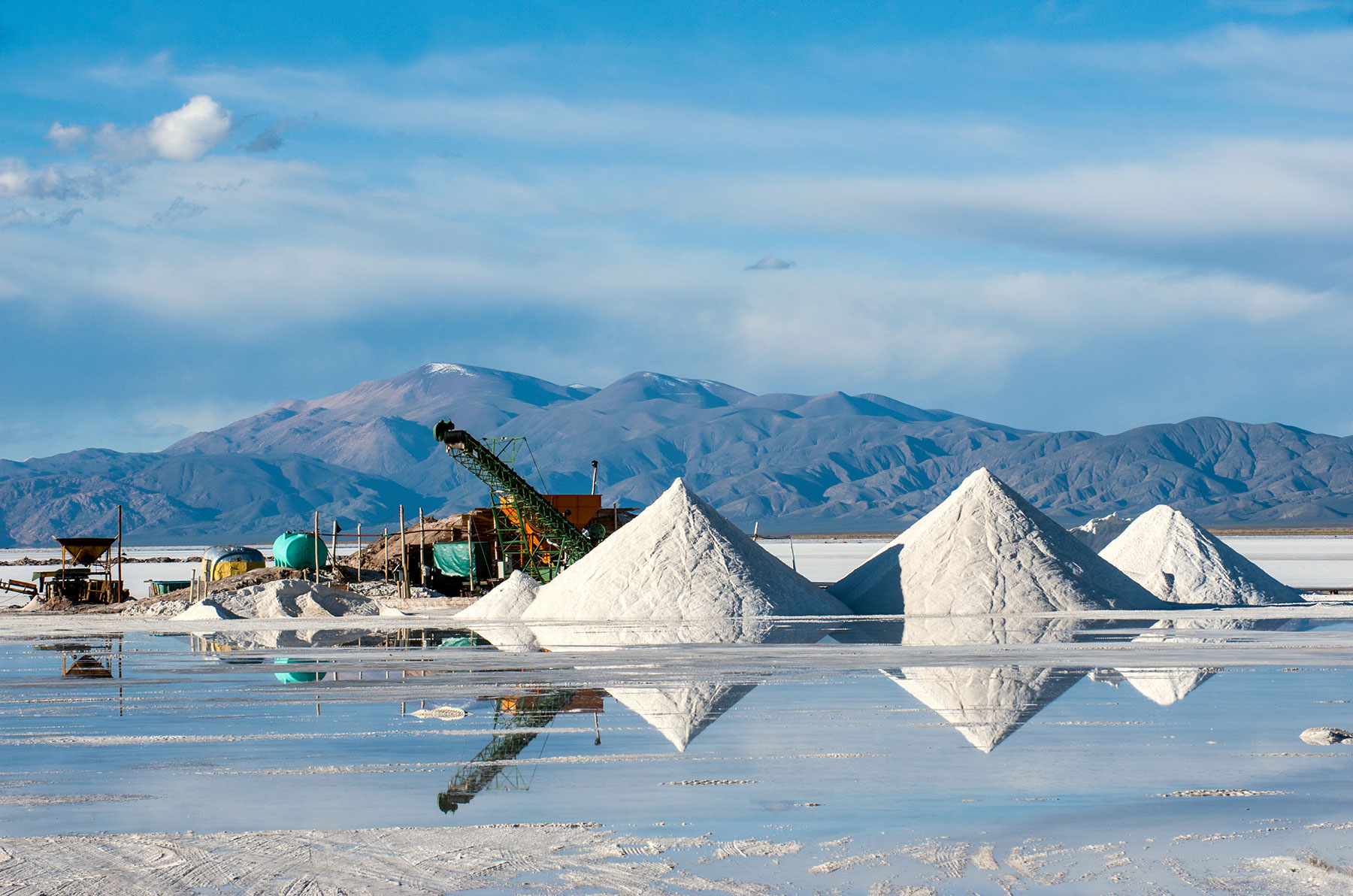
For geothermal or oilfield brines to succeed as a source of lithium supply, a proven process for DLE will be required. There are a number of companies testing various DLE approaches. While their ideas differ, the concept remains the same: letting the brine flow through a lithium-bonding material using adsorption, ion-exchange, membrane-separation, or solvent-extraction processes, followed by a polishing solution to obtain lithium carbonate or lithium hydroxide.
Promising DLE technology is currently being considered not only by unconventional players but also by companies that traditionally develop “typical” brine assets. DLE has several potential benefits, including:
- eliminating/reducing the footprint of evaporation ponds
- decreasing production times compared with conventional brine operation
- increasing recoveries from around 40 percent to over 80 percent
- lower usage of fresh water, which can be one of the deciding factors when applying for a mining concession in a region with scarce water resources
- lower reagents usage and increased product purity (in terms of magnesium, calcium, and boron) compared with conventional brine operations
To date only adsorption DLE has been used on a commercial scale, in Argentina and China. If DLE can be scaled up and spread across brine assets, it will boost existing capacities via increased recoveries and lower operating costs, while also improving the sustainability aspects of operations (Exhibit 6).